Why Does My Car Insurance Go Up Even Though I Haven’t Had Any Accidents?

“I haven’t had a single accident or made any claim — so why is my premium higher again this year?”

If you’ve ever opened your renewal notice and thought this, you’re definitely not alone. Many careful drivers in New Zealand wonder the same thing each year. So why does the price keep rising even for those with a spotless record?

  • The Principle of Shared Risk – Insurance Is Calculated by Group, Not by Individual

Car insurance is based on risk pooling. Insurers don’t assess only one person — they spread the total risk across all drivers in the country. That means factors such as national accident rates, average repair costs, natural-disaster losses, reinsurance costs, and operating expenses all influence your premium.

For example, if 100 people hold policies and five of them crash, the insurer pays those five claims using money collected from all 100. Even if you never cause an accident, when overall repair costs or claim frequency rises, everyone’s premiums increase. Insurance functions as a collective safety net — not an individual savings plan.

  • Repair Costs Have Skyrocketed – A “Simple” Bumper Job Now Involves Sensors and Calibrations

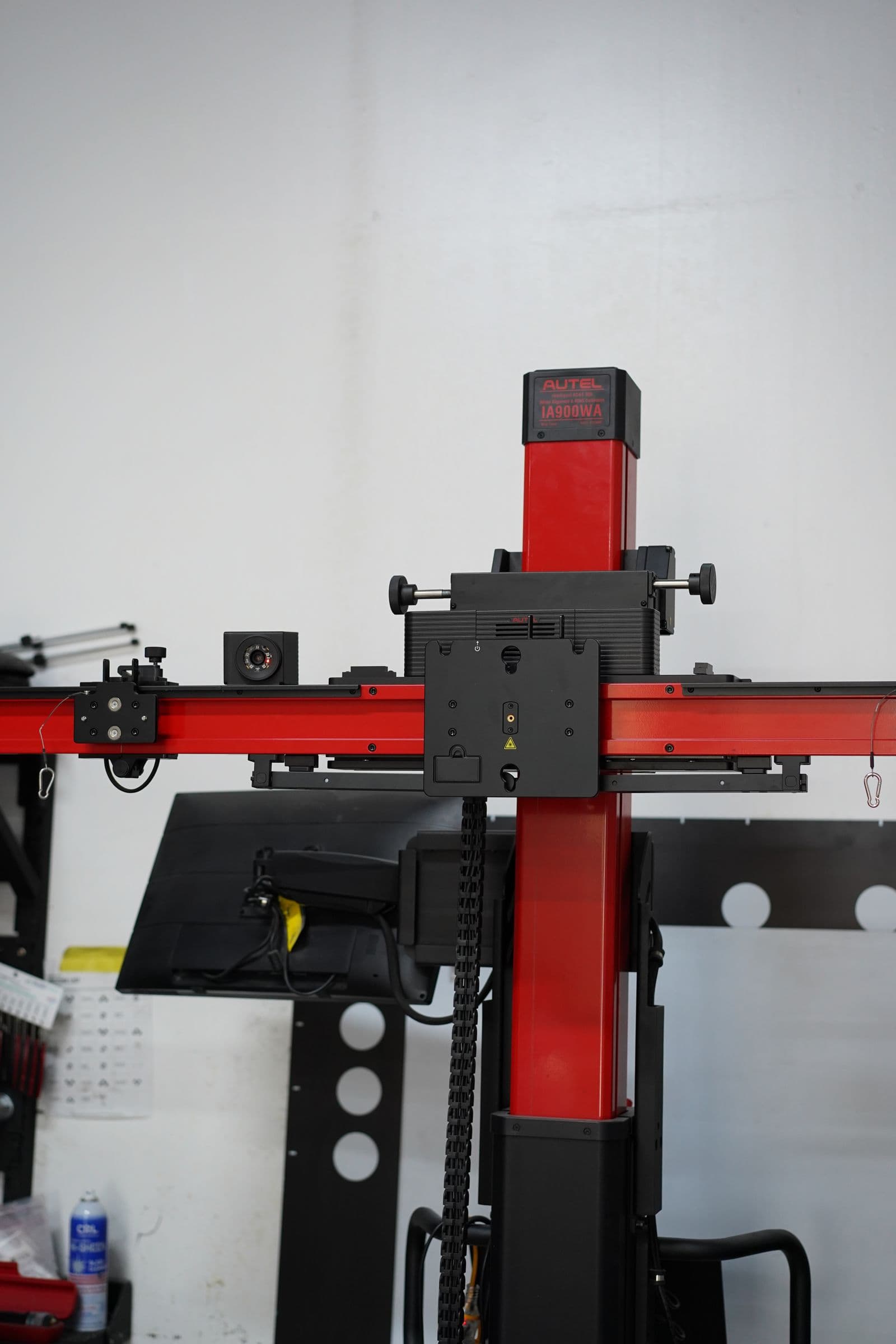
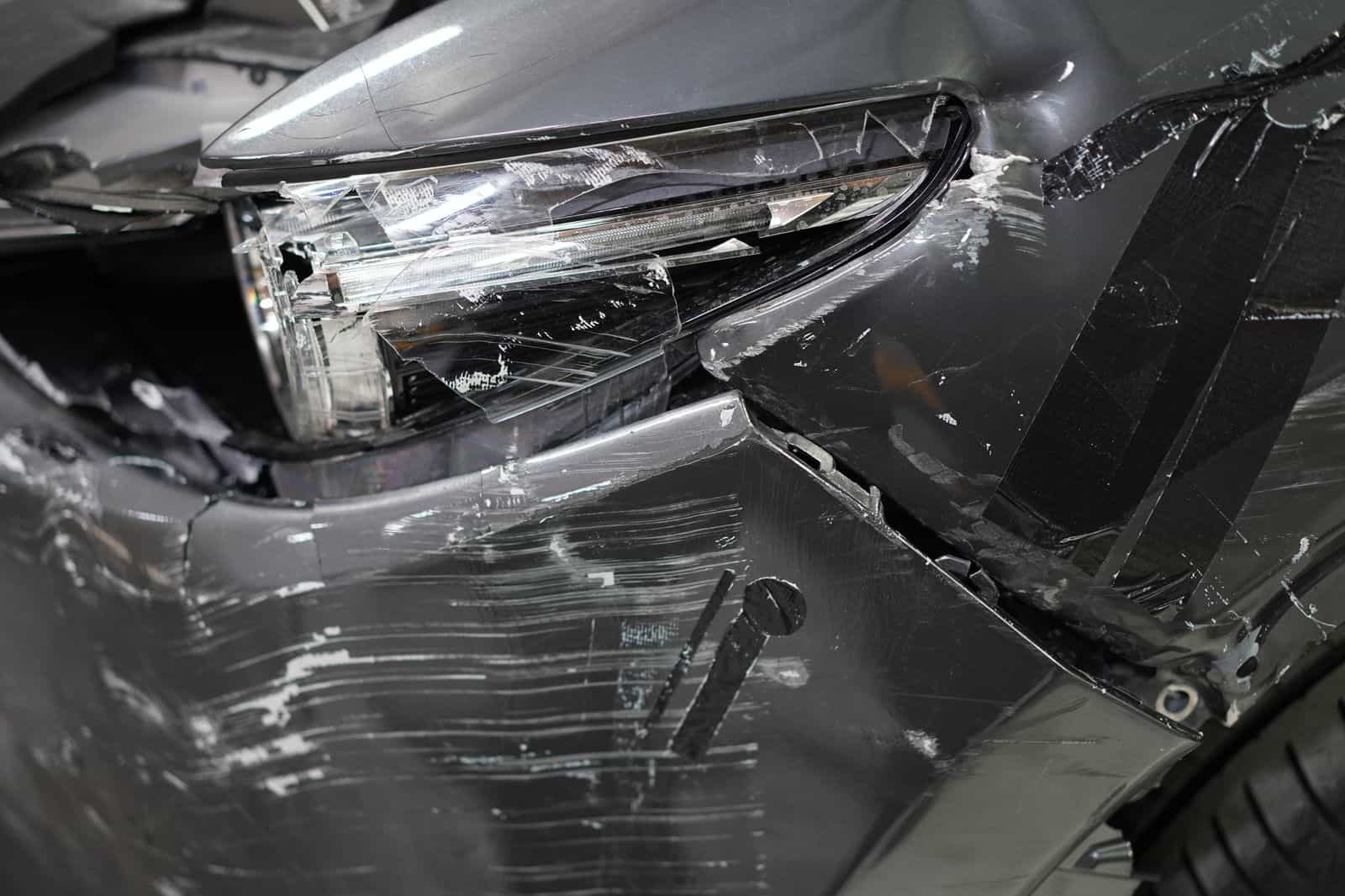
Modern vehicles come with complex technology such as ADAS (Advanced Driver Assistance Systems), cameras, radar, and proximity sensors. While these systems improve safety, they also make repairs far more expensive. A decade ago, a bumper scratch might have required a quick repaint.

Today, that same bumper contains embedded sensors and radar modules that must be replaced or re-calibrated after even a minor impact. As a result, a single repair can now exceed NZ $5,000 – 10,000, meaning each claim costs insurers far more than before — and that cost spreads to all policyholders.

  • Rising Parts Prices, Labour, and Freight Costs

Since COVID-19, global supply-chain costs have surged. New Zealand imports most automotive parts from overseas — Japan, Korea, Europe, and beyond — making it especially sensitive to shipping, exchange-rate, and materials inflation. Paint, plastics, and electronic components have risen 20 – 30 percent or more, and workshop labour rates have climbed with general inflation. Naturally, higher costs for parts and wages mean insurers are paying more for each claim, feeding directly into higher premiums.

  • After Natural Disasters – Insurers Still Record Profits

The Auckland floods and Cyclone Gabrielle in 2023 caused hundreds of thousands of vehicle claims, triggering record-high payouts. Yet, even after these events, New Zealand’s largest insurance group, IAG (which owns AMI, State, NZI, Lumley and others), reported about NZ $1.8 billion in insurance profit.

That figure represents operational profit from insurance activities — not investment returns. It shows that premium increases aren’t purely about “recovering losses”; they also sustain insurer profitability within the system. The Limits of the “No-Claim Bonus” Drivers with a clean history do receive small discounts — but those savings can quickly disappear when overall rates rise. For instance, a 10 percent no-claim discount doesn’t help much if base premiums jump 15 percent across the market.

  • What You Can Do as a Consumer

While it’s impossible to stop market-wide increases, there are several practical steps worth taking each renewal cycle: Compare premiums: Always get quotes from at least one or two other insurers before renewing. Review your coverage options: Adjust extras like Glass Cover or Hire Car Option to fit your real needs. Request a “Premium Review”: Insurers often have discretion to make price adjustments to retain existing customers — sometimes all it takes is a phone call. Especially if you’ve been with the same provider for years, asking for a review can genuinely save money.

  • In Summary – Even Good Drivers Are Part of the System

Car insurance premiums reflect the collective risk of all drivers, not just individual behaviour. Even if you drive safely, broader trends — higher repair costs, natural disasters, and technology-driven expenses — will push premiums upward. The key is understanding the system and managing it strategically.

Remember: insurance isn’t a set-and-forget product — it’s a yearly negotiation.

By staying informed and proactive, you can keep your cover effective and your costs as fair as possible.